
Industry & Prompting
AI vs. Traditional Product Photography: Which Should Your Brand Use?
Marjoni McBride · November 9, 2026
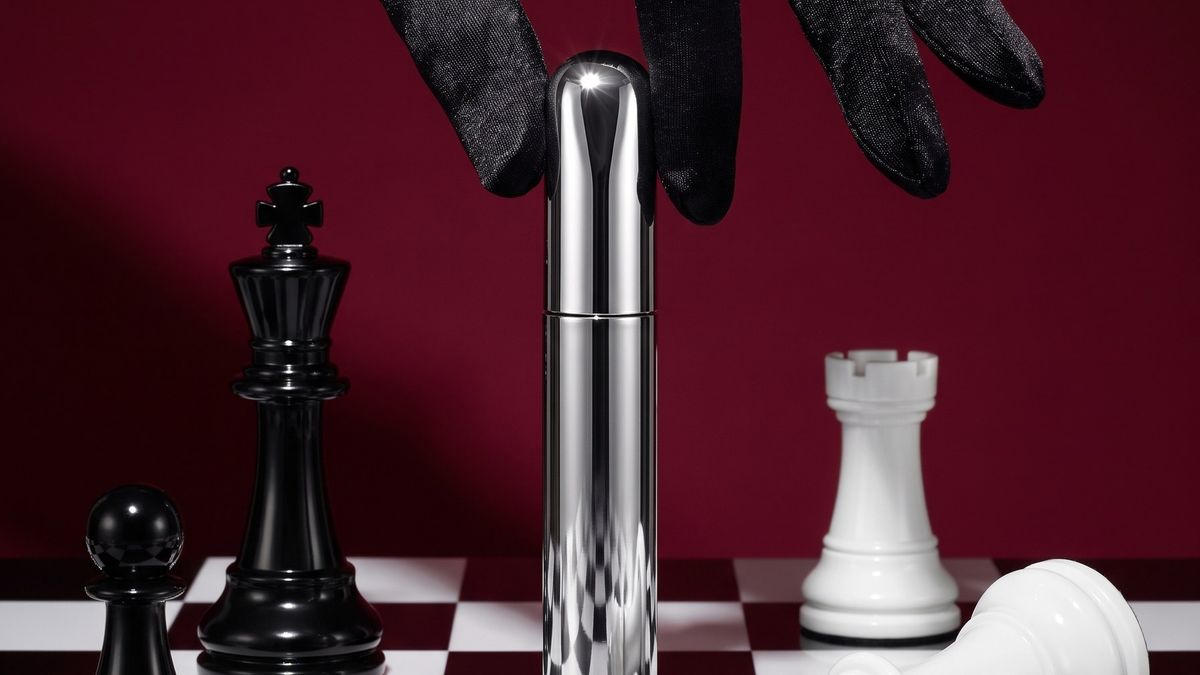
Brands often ask whether AI can replace a traditional product shoot. The better question is: what must the image prove? Some images need to show the exact item a customer will receive. Others need to communicate a mood, occasion, or imagined setting. Those are different production problems.
When traditional photography is the stronger choice
Use a physical camera when the exact surface, fit, scale, material behavior, or function of the product is central to the buying decision. Jewelry settings, reflective packaging, clothing construction, food appearance, and complex products deserve particularly careful capture. A real shoot also provides reliable detail references for later creative work.
Traditional production gives the art director direct control over the item in front of the camera. The tradeoff is the physical production effort: products, sets, lighting, models when needed, location, crew, and coordination.
Where AI-assisted imagery helps
AI can be useful for exploring creative territories before committing to a set, placing a photographed product in several styled environments, producing campaign variations, and adapting concepts to seasonal stories. Instead of building three physical interiors, a brand might test three distinct worlds visually and choose the strongest direction for execution.
It can also support preproduction. Moodboards and rough comps make feedback more concrete: the team can discuss a visual rather than an abstract adjective such as “elevated.”
The hybrid model is often the practical answer
Imagine a new candle brand. First, capture accurate photographs of the jar, label, wax, and lid. Next, art-direct a warm interior scene and a holiday gifting image around those references. Finally, inspect the resulting candle carefully so the commercial imagery does not misrepresent the actual product.
That approach treats the photograph as evidence and AI as a creative production tool. The split can change depending on the brand, product category, and usage rights.
Compare the options before commissioning
Ask five questions: Does the image need to demonstrate a physical claim? Are there regulatory, platform, or retailer requirements? Is the product design final? How many distinct environments are needed? How will the visuals be used and approved? The answers will tell you more than a blanket promise that one method is cheaper or faster.
Budget for quality control, not just generation
The real cost of a campaign includes concept development, source photography where appropriate, compositing, retouching, revisions, file delivery, and approval. A low-priced image that misrepresents your product is rarely a bargain.
At Noir Label, the focus is photographic thinking applied to modern production. The right recommendation might include AI, traditional capture, or both. The method should serve the campaign—not become the campaign.
Need help choosing an approach? Share your product and the placements you need through our project inquiry page.